
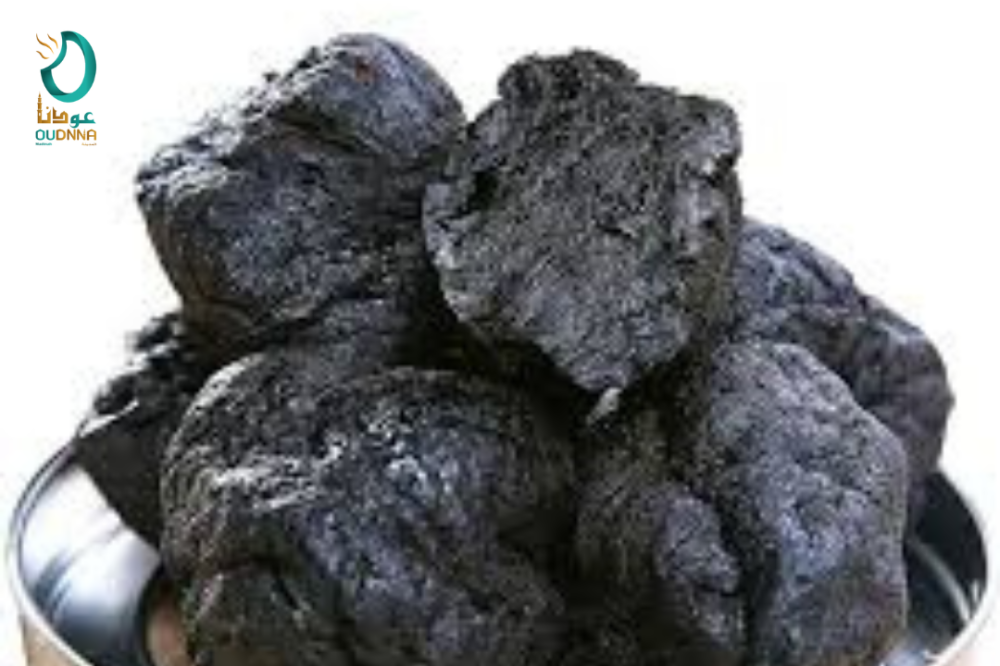
A search for the benefits of raw amber may lead to home recipes and broad health promises. Begin with a more useful question: what is the material, and is it a perfumery raw material or a finished product? The word raw does not automatically make something suitable for skin, swallowing or heating.
What does raw amber mean?
If the term refers to ambergris, it describes a waxy material associated with the digestive system of sperm whales, sometimes found at sea or on shore. The Natural History Museum explains its origin and historical perfume use.
In trade, amber can also describe a scent effect or product name. Neither a name nor a photograph of a dark piece establishes natural ambergris. Fossil amber used in jewellery is another material again.
Its role in perfumery
Ambergris has a historical role in perfume for its scent and contribution to compositions. That does not make every amber-labelled bottle rare or marine-derived, and a material's use in manufacturing does not mean it should be applied in the state in which it was found. Modern perfumes also use materials and accords inspired by ambergris. Read ambergris in perfume and modern alternatives for further context.
Raw material and finished oil are different
- A raw material needs clear identification, source details and an intended purpose; preparation may require specialist knowledge.
- A finished perfume oil has its own formula and directions. An amber character does not establish an ambergris extract.
- A product formulated for skin should be used for its stated purpose. A raw material or perfume oil is not interchangeable with it merely because the names overlap.
Keep fragrance value separate from health claims
This guide does not present raw ambergris or perfume oil as a treatment for asthma, coughs, insomnia, acne or inflammation, or as a way to boost immunity or circulation. Such claims require evidence for the specific material, formula and use. A natural-origin story cannot supply that evidence.
Enjoying a scent is a personal experience. It should not replace appropriate care for a health concern.
Why a home recipe is not enough
Grinding an unidentified material into a facial oil does not establish its identity, concentration or suitability. Mixing a perfume oil with another oil does not automatically make a suitable massage product. Do not swallow it or place it under the tongue. Do not heat a raw material without explicit directions for a product intended for that purpose.
Burning or hot-needle tests can damage a piece without adequately documenting its source or composition.
Questions before purchasing a raw material
- What is its precise identity, and what does raw mean in this offer?
- What information supports the stated source?
- Is it intended for manufacturing or direct use, and what directions apply?
- What is the net weight, and do the photos show this piece or batch?
- What written storage, preparation and warning information is available?
If your aim is simply to wear a fragrance, a finished product with clear directions may be easier to assess. Explore OUDNNA amber fragrances by scent, amount and intended use; the category does not imply that every product is raw ambergris.
Common questions
Do size and colour determine a piece's value?
They cannot establish identity or quality on their own. Raw-material assessment needs more than a photograph and a scent impression.
Can amber oil replace raw ambergris in any recipe?
No. A finished formula has a defined purpose and should not be used outside its directions because of a shared name.
Does natural mean suitable for everyone?
No. Suitability depends on the material, product and intended use; fragrant materials may irritate some people.
For the role of finished oil, see the fragrance benefits of amber oil. Precise information makes a more considered choice possible.