
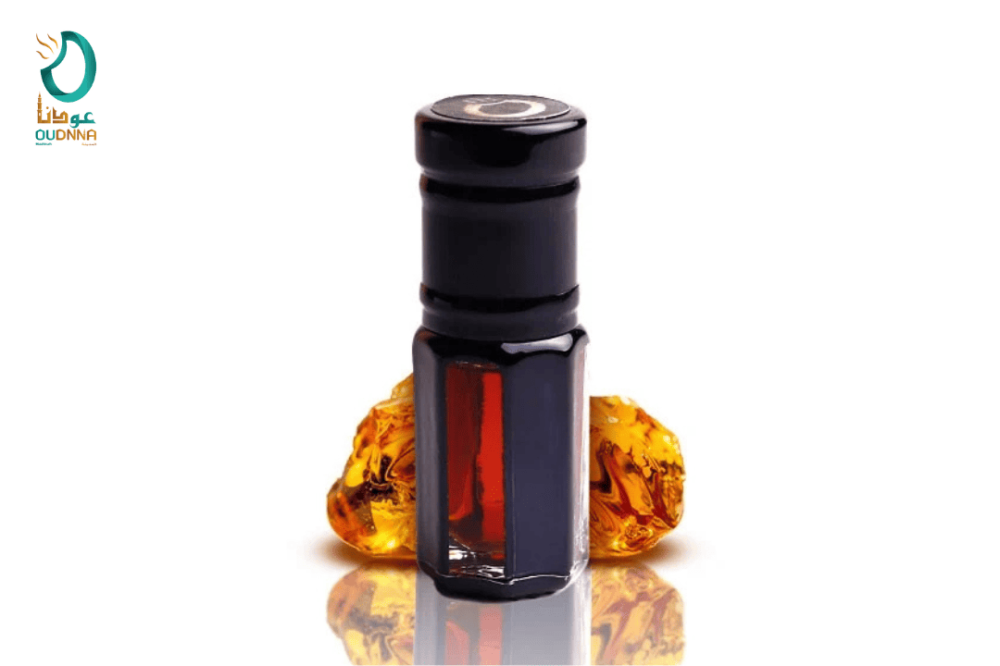
The name “High-Class Blue Cachalot Ambergris” invites questions about scent, origin and value. Before comparing it with other fragrances, it helps to separate the product name from the natural material called ambergris—and to decide which details matter to your purchase.
A thoughtful choice rests on the description of the actual product, clear information about its contents and a fragrance experience you enjoy. A rare ingredient’s reputation alone cannot tell you what is in a particular bottle.
First, a clarification about the whale
Natural ambergris is associated with sperm whales, not blue whales. “Cachalot” is another name for a sperm whale. The Natural History Museum’s explanation of ambergris describes its formation and historical use in perfumery.
Wording such as “Blue Whale Amber” in fragrance marketing should therefore not be read as scientific evidence that the material comes from a blue whale. The product’s name and its documented composition are separate questions.
What scent does the OUDNNA listing describe?
The High-Class Blue Cachalot Ambergris listing describes a warm scent with earthy, marine impressions and a pronounced sweetness. Use these as scent references when considering a sample.
Marine does not mean seawater has been added, just as a sweet impression does not establish a sugar ingredient. Nor can the black colour described in a listing verify natural origin or purity.
Why can natural ambergris be valuable?
Natural ambergris has attracted interest because of its unusual source, limited availability and role in perfumery. Those broad facts do not establish a market ranking or justify a particular price for every product carrying the word “ambergris.”
A finished fragrance may be a different product from a raw piece of ambergris. Before comparing prices, establish the format, declared contents, quantity and intended use. Comparing a bottle of perfume oil with a raw material by name alone can be misleading.
Questions that make a price comparison useful
- What is being sold? A ready-to-use fragrance, a blend or a raw material?
- What quantity is included? Check the sale unit and net contents; shipping weight is not necessarily the amount of fragrance.
- What supports the composition claim? Ask for clear product-specific information when natural ambergris content is essential to you.
- What does the current description cover? Confirm that photographs and details apply to the option you are buying.
- How will you use it? A scent you enjoy occasionally may call for a different size from one you wear regularly.
A higher price can reflect several factors. It is not an authenticity test, and broad terms such as “royal” or “premium” need more explanation if they influence your decision.
Assess the fragrance without trying to authenticate it at home
If a sample is available, begin with a small amount on a labelled fragrance strip and follow the product’s directions. Record the opening and return later to notice whether your impression becomes softer, sweeter, woodier or something else.
This helps you decide whether you like the scent. It does not prove ingredient origin. Avoid home tests involving burning, heated needles, solvents or tasting. Such methods can damage a material, introduce hazards or produce a result that is easy to misinterpret.
Neither an evolving scent nor a particular colour reliably distinguishes every genuine material from every substitute. Where material identification matters, seek appropriate documentation or qualified analysis.
Compare another amber style on its own terms
For a useful contrast, read the description of Riyadh Spirit Amber, then compare samples separately if available. The shared amber terminology does not establish identical formulas, and you may prefer different products for different settings.
Our guide to evaluating Riyadh Spirit Amber explains how to keep those observations practical. For the vocabulary behind the names, see amber, ambergris and fossil amber.
Use and store it as directed
Follow the instructions for the supplied product and begin with a restrained amount. Avoid eyes, mucous membranes and irritated skin. If skin application is permitted, stop using the product if irritation occurs.
Check both product directions and textile care instructions before any fabric application; oils can mark fabric. Store the closed container away from direct sunlight and heat, and do not put a personal fragrance product into a burner unless it is specifically intended for that use.
Common questions
Does “Blue” prove a particular ambergris grade?
Do not infer a defined grade from this word alone. Ask what it means in the specific listing.
Can the fragrance be guaranteed to last for years on fabric?
That is not a reasonable general promise for a finished fragrance. Wear depends on the product, amount, surface and conditions, so use relevant product information and your own careful trial.
What should decide the purchase?
A scent you enjoy, suitable directions, clear product information and a quantity and price that make sense for your use. These give the name meaningful context without asking it to prove more than it can.